A binned e-bike battery set another Sydney garbage truck alight
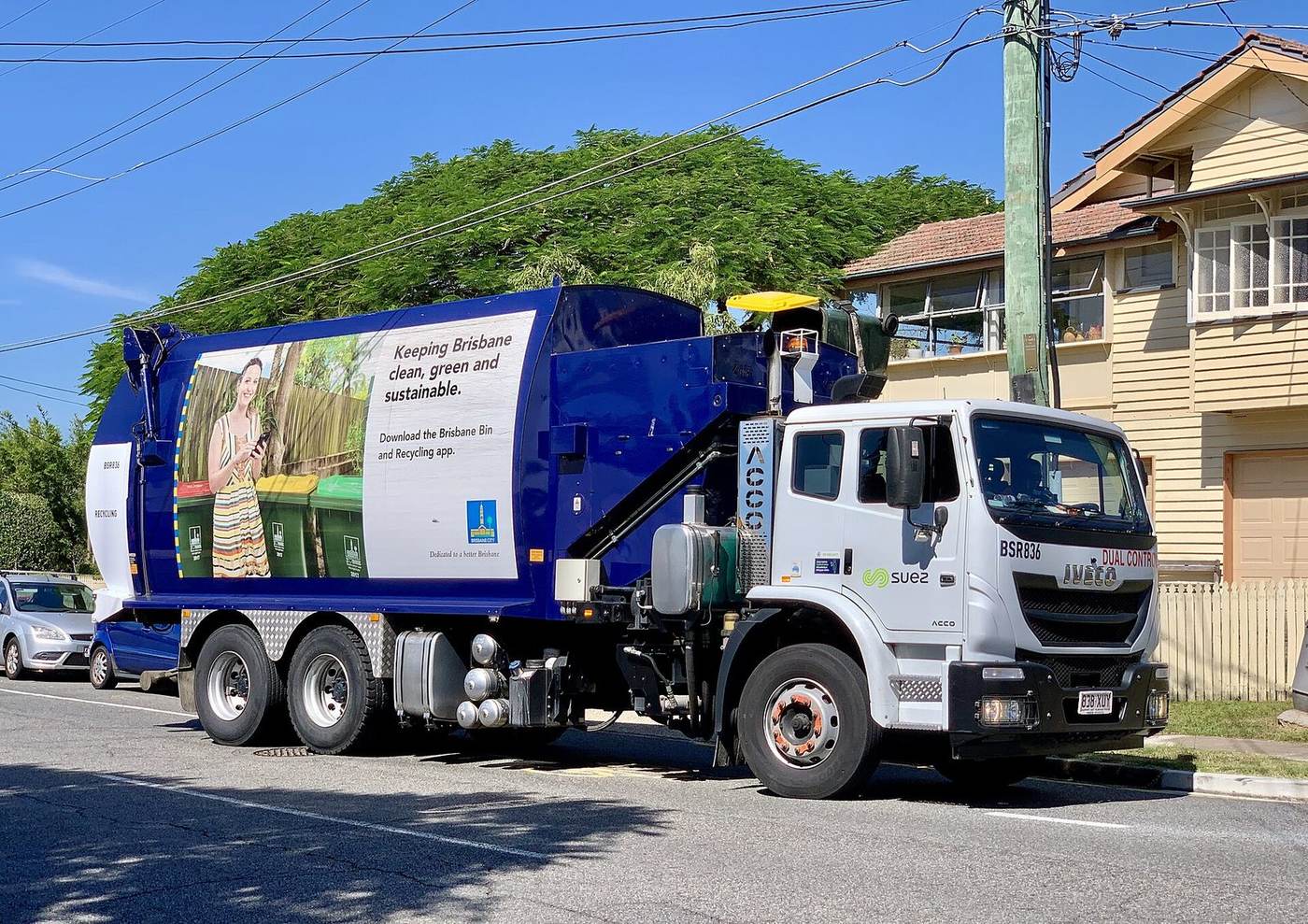
Image: Kgbo, Wikimedia Commons, CC BY-SA 4.0
A garbage truck caught fire in Surry Hills on the morning of 12 August after a discarded lithium ion e-bike battery was crushed in its compactor. Fire and Rescue NSW crews arrived to smoke pouring from the vehicle and had the driver tip the burning load onto the street before putting it out. Nobody was hurt.
Three trucks in six days
It was not a one off. FRNSW logged at least three garbage truck fires in NSW in the six days before it, including one on the M5 at Milperra that burned hot enough that the cause could not be confirmed, and another at Kirribilli. FRNSW says there have been 40 garbage truck fires in the state so far this year, most of them blamed on lithium ion batteries in the waste stream. The full year figure for 2025 was 62.
Why a bike battery does this
When a compactor crushes a lithium ion cell, it can trigger thermal runaway, a self sustaining reaction that generates its own heat and fuel and is very hard to put out once it starts. The same risk applies to phones, laptops, cordless vacuums and vapes, but an e-bike pack holds far more energy than any of those, so it does more damage when it goes.
What riders should do with a dead battery
FRNSW and the NSW Environment Protection Authority point people to the Never Bin A Battery scheme, which lists free drop off points across the state. For e-bike owners the rule is simple: a flat, damaged or swollen battery goes to a battery or e-waste collection point, never into a kerbside bin, and never left loose in a garage where it can be knocked about or crushed.
This is a safety story rather than a buying one, but battery quality and certification are worth weighing when you shop. BikeFinder lists battery capacity and brand on each e-bike, and it is worth asking how a retailer handles battery warranty and end of life recycling before you hand over the money.