Canberra orders new national rules for what e-bikes can be sold in Australia
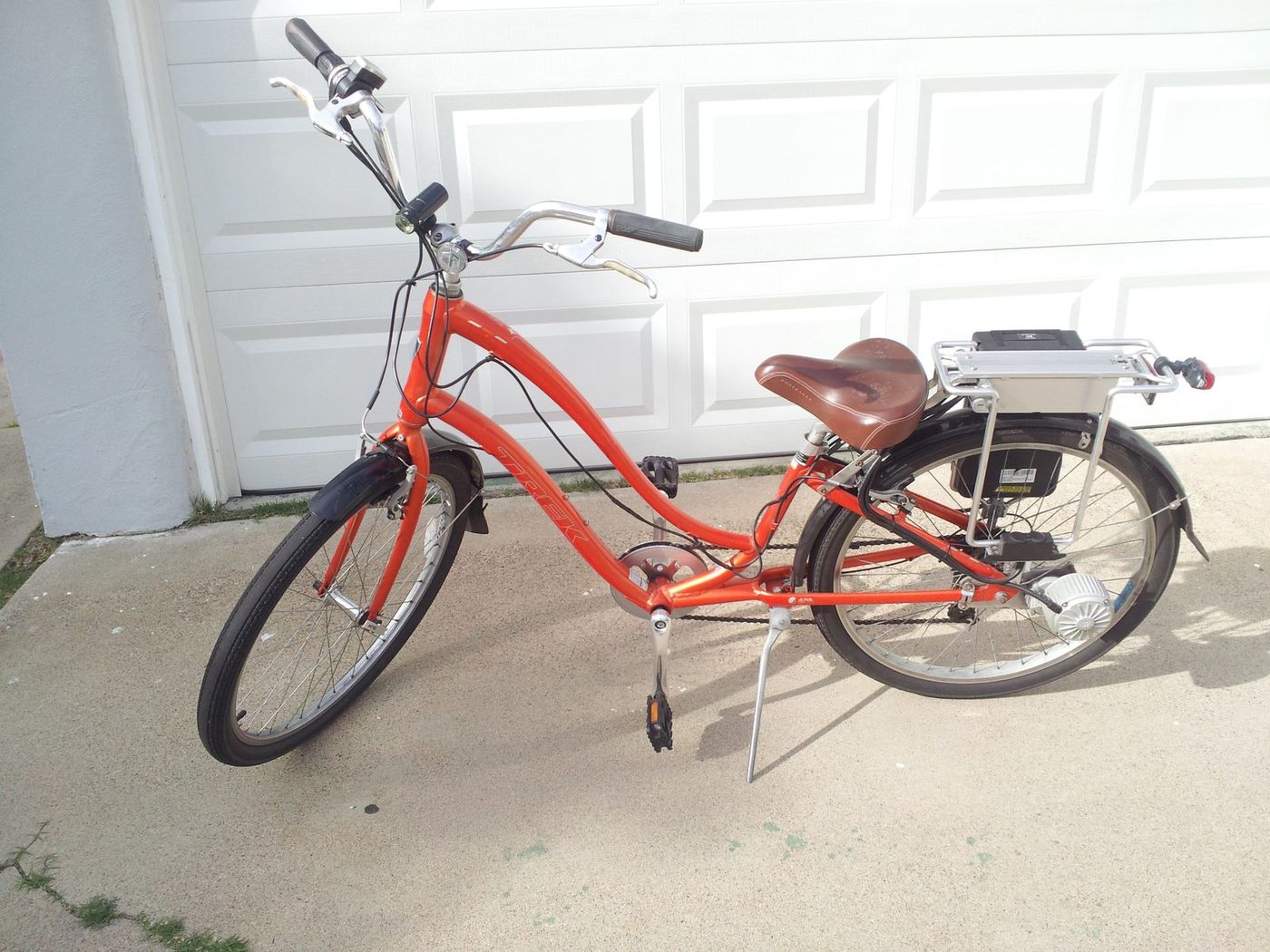
Image: Stanistani, Wikimedia Commons, CC BY-SA 3.0
The federal government has directed the Australian Competition and Consumer Commission to draft new national standards covering the sale of e-bikes, e-scooters and e-skateboards. Assistant Competition Minister Andrew Leigh announced the move on Thursday, framing it as a way to close loopholes that have let non-compliant, high-powered devices onto the market through gaps between state rules.
Why now
Enforcement has varied wildly state to state. NSW recorded 226 e-bike related injuries in 2024, rising to 233 in just the first seven months of 2025, including four deaths. In Queensland, more than 6,000 emergency department presentations were linked to e-mobility devices between 2022 and 2025. The new standards were proposed at a meeting of federal, state and territory consumer affairs ministers in Darwin in July, and the latest federal budget set aside $6.6 million over three years for the ACCC and Treasury to develop them.
What the standards will target
The work builds on the EN15194 standard that state transport ministers already agreed to adopt as the benchmark for legal e-bikes: a 250 watt continuous motor cap, pedal assist that cuts out at 25km/h, and no throttle-only operation without pedalling. Bicycle Industries Australia, the industry's peak body, is already working with Queensland's Department of Transport and Main Roads on a compliance labelling scheme running until 28 February 2027, and general manager Peter Bourke has said the industry broadly supports the 250 watt, no throttle framework. Harold Scruby of the Pedestrian Council of Australia welcomed the announcement but called it long overdue, saying enforcement consequences for non compliant retailers need to follow. Leigh said the federal work sits alongside, not instead of, state crackdowns such as NSW's power to seize and destroy illegal e-bikes and Queensland's Operation Yankee Surety, which seized 249 illegal bikes and issued 991 infringement notices in its first month.
What it means for buyers
No timeline has been set for when the ACCC's standard will take effect, so nothing changes for shoppers immediately. But it is a signal that low-cost, non-compliant imports sold outside proper retail channels are heading for closer scrutiny. If you are comparing e-bikes on BikeFinder, sticking to models that already carry EN15194 certification and a 250 watt, 25km/h spec is the safest way to buy ahead of any new rules, rather than betting on a bargain bike that might not meet the standard once it lands.