Best value bike computers in Australia (2026)
A good bike computer used to mean a Garmin and the best part of five hundred dollars. That is no longer true. Colour touchscreens, five-system satellite tracking and support for heart-rate straps, power meters and smart trainers have all filtered down into units you can buy for under two hundred dollars. This guide ranks the ones worth your money in Australia right now, and points you to the full review of each.
Prices move with sales, so treat the figures here as a guide and check the retailer before you buy. Everything below was price-checked in September 2026.
The value pick: Coospo CS600, around A$185
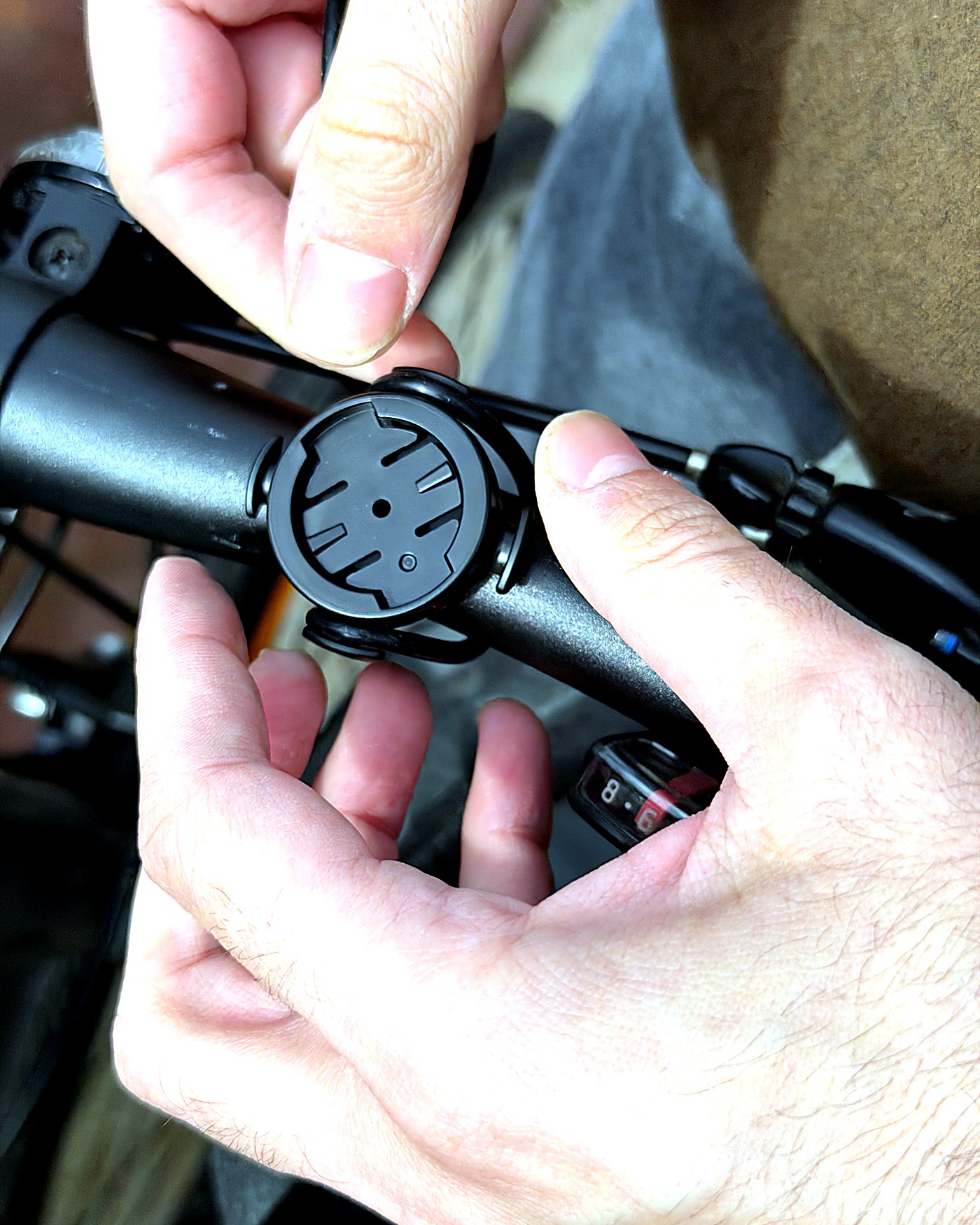
For most riders this is the sweet spot. The Coospo CS600 gives you a 2.4 inch colour touchscreen that stays readable in direct sun, a 36 hour battery that independent testers confirmed, and sensor support that reaches heart-rate straps, power meters, radar tail lights and smart trainers. It fits the Garmin-pattern quarter-turn mount, so spare mounts are cheap and everywhere.
The honest catch is navigation: routes load manually as GPX files rather than syncing from Strava or Komoot, and there is no rerouting. Buy it as a brilliant tracker with basic maps and you will be delighted. We rate it 8.1 out of 10. Full detail in our Coospo CS600 review.
The direct rival: iGPSPORT BSC300T, around A$185
The BSC300T matches the Coospo on price and also runs a colour touchscreen with broad ANT+ and Bluetooth sensor support and offline maps. Battery life is shorter at around 20 hours, and the app is less mature, but it is the closest like-for-like alternative at this price. If the Coospo is out of stock, this is the one to look at.
If you want proper turn-by-turn: Bryton Rider 460, from around A$220
Step up slightly and the Bryton trades the colour screen for a sunlight-friendly monochrome display and much better navigation, with turn-by-turn cues, junction snapshots, Di2 and eTap integration and radar support. It is the pick if following a route matters more to you than a pretty screen. See how it stacks up in our CS600 vs Garmin vs Bryton comparison.
The badge and the ecosystem: Garmin Edge 130 Plus, around A$299
The cheapest current Garmin buys you into Garmin Connect, incident detection and a rock-solid platform, but the screen is a small monochrome panel with no mapping. You are paying for the ecosystem, not the display. Worth it if you already run a Garmin watch and want everything in one place.
When to spend more
If your riding is navigation-heavy or you are training with structure, two units are worth the jump. The Garmin Edge 540 adds colour mapping, dual-frequency satellite accuracy and up to 42 hours of battery for around A$450 to A$599. The Wahoo Elemnt Bolt V2, around A$400 to A$430, is built around on-device rerouting, the thing budget units still cannot do. Both are a lot more money, so only step up if you will use what they add.
How to choose in one minute
If you want the most tracker for the least money, take the Coospo CS600. If following routes with turn prompts is the priority, look at the Bryton. If you live in the Garmin ecosystem already, the Edge 130 Plus keeps everything together. And if you are not sure a computer is worth it at all, read GPS bike computer vs your phone first.
Frequently asked questions
What is the best value bike computer in Australia?
For most riders the Coospo CS600 at around A$185 delivered offers the most features for the money: a colour touchscreen, 36 hour battery and full sensor support. The iGPSPORT BSC300T is the closest same-price alternative.
Do cheap bike computers work with power meters and heart-rate straps?
Yes. Budget units like the Coospo CS600 and iGPSPORT BSC300T support both ANT+ and Bluetooth, so they pair with heart-rate straps, cadence and speed sensors, power meters and smart trainers.
Do I need turn-by-turn navigation?
Only if you regularly ride unfamiliar routes. Budget units track and record superbly but load routes manually. If navigation is a priority, look at the Bryton Rider 460 or step up to a Wahoo or Garmin with on-device rerouting.