Do you need a bike computer? What the numbers actually give you
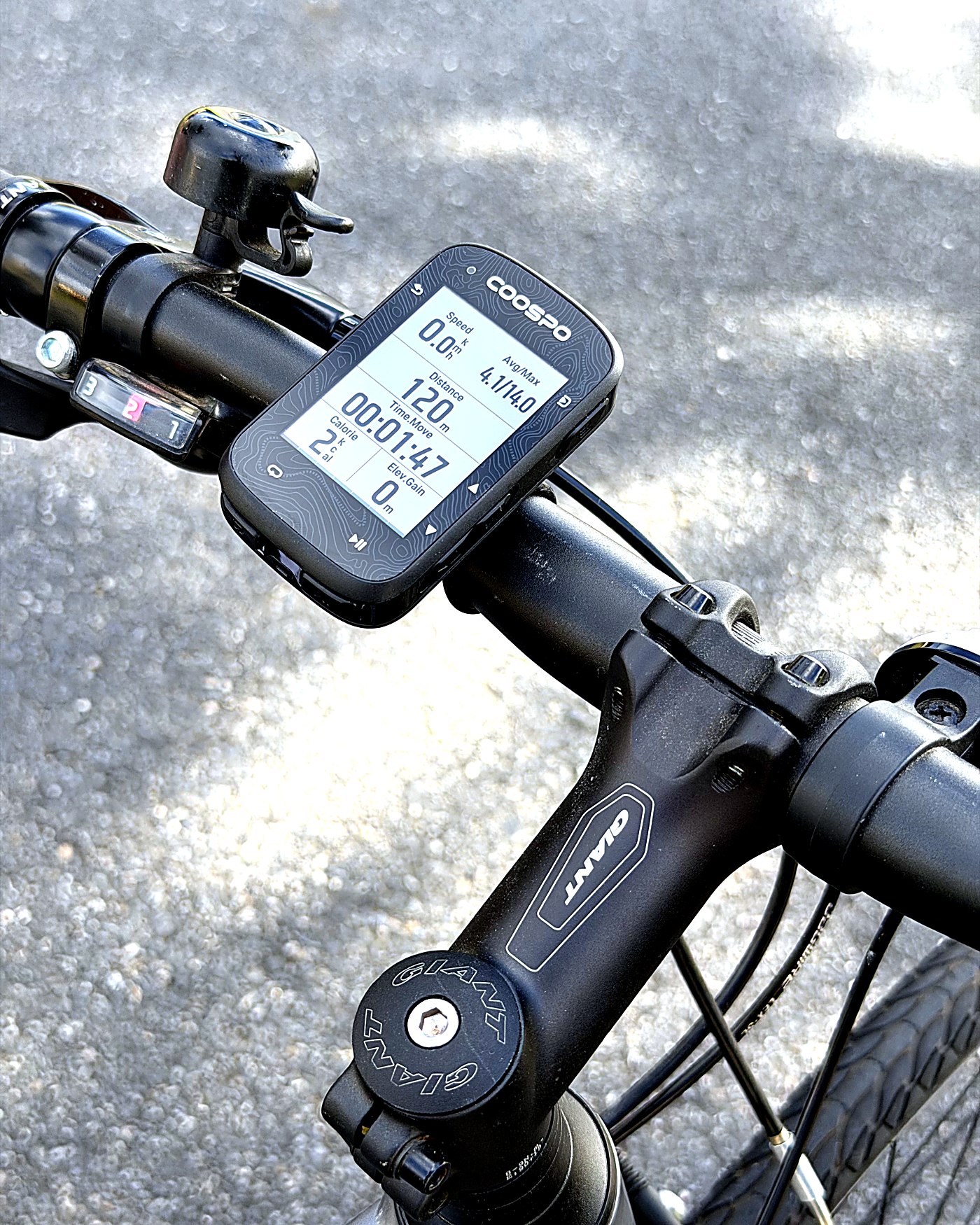
A bike computer is really just a screen full of numbers. If you do not know what they mean, they are noise. Here is what each one actually tells you, in plain terms, so you can decide whether the data is worth having.
Speed and distance
The basics, but useful. Speed helps you pace, especially early in a ride when it is easy to go out too hard. Distance lets you plan fuel and water stops and know how much of a route is left.
Cadence
Cadence is how fast your legs are spinning, in pedal revolutions per minute. Spinning a slightly easier gear at a higher cadence eases the strain on your legs and knees but asks more of your lungs and heart. Grinding a hard gear at low cadence does the opposite. Many new riders find somewhere around 80 to 90 rpm a comfortable, sustainable middle ground, though it varies. Watching cadence helps you spot when you are grinding too hard a gear, which is a common cause of knee soreness.
Heart rate
Heart rate shows how hard your body is working. It is a good measure of overall effort, but it reacts slowly and is affected by heat, hydration, fatigue and caffeine. Treat it as a long-run effort gauge rather than a moment-to-moment one. It needs a chest or arm strap, which pairs to the computer over ANT+ or Bluetooth.
Power
Power, measured in watts, is the most direct measure of effort there is. Unlike heart rate it responds instantly and is not thrown off by wind, heat or fatigue, which is why serious training is built around it. It needs a power meter, which costs more than a strap, so it is a step most riders take later.
Elevation and grade
Elevation shows how much climbing is done and to come, and grade shows how steep the road is right now. Together they let you budget effort before a climb instead of being surprised by it, and they explain why your speed or heart rate suddenly jumped.
So do you need one?
If you only ride for fun and never look at numbers, no. But if you want to pace better, train with any structure, or just understand your rides, even a basic computer earns its place, and a cheap one now does almost everything an expensive one does. Our value bike computer roundup is the place to start, and the Coospo CS600 is our current pick for most riders. Still weighing it against your phone? Read bike computer vs phone.
Frequently asked questions
What does cadence tell you on a bike computer?
Cadence is your pedal revolutions per minute. It shows whether you are spinning an easy gear fast (easier on the legs, harder on the lungs) or grinding a hard gear slowly. Many riders aim for around 80 to 90 rpm as a comfortable baseline.
Is heart rate or power better for training?
Power responds instantly and is not affected by heat or fatigue, so it is more precise for structured training, but it needs a power meter. Heart rate is cheaper and still useful as an overall effort gauge, it just reacts more slowly.
Do I need a power meter to use a bike computer?
No. A bike computer is useful with just its built-in GPS for speed, distance and elevation. Sensors like heart rate, cadence and power are optional add-ons you can pair later.